

Dealing with acne can be frustrating, especially when breakouts keep returning no matter what you try. Many people focus only on treating pimples after they appear, but the real secret to achieving clear skin lies in preventing future breakouts before they even start. With the right skincare routine, lifestyle habits, and product choices, maintaining acne-free skin is absolutely possible.
Healthy, glowing skin is not about expensive products or complicated routines. It is about consistency, understanding your skin type, and making smart daily choices. In this guide, we will explore easy yet highly effective tips to prevent future breakouts, helping you build a routine that supports long-term skin health.
Acne prevention is a combination of proper skincare, hygiene, nutrition, and overall well-being. When your pores stay clean, your skin remains hydrated, and your lifestyle supports balance, the chances of breakouts reduce significantly. Instead of relying on quick fixes, focusing on long-term habits can help you achieve naturally clear and radiant skin.
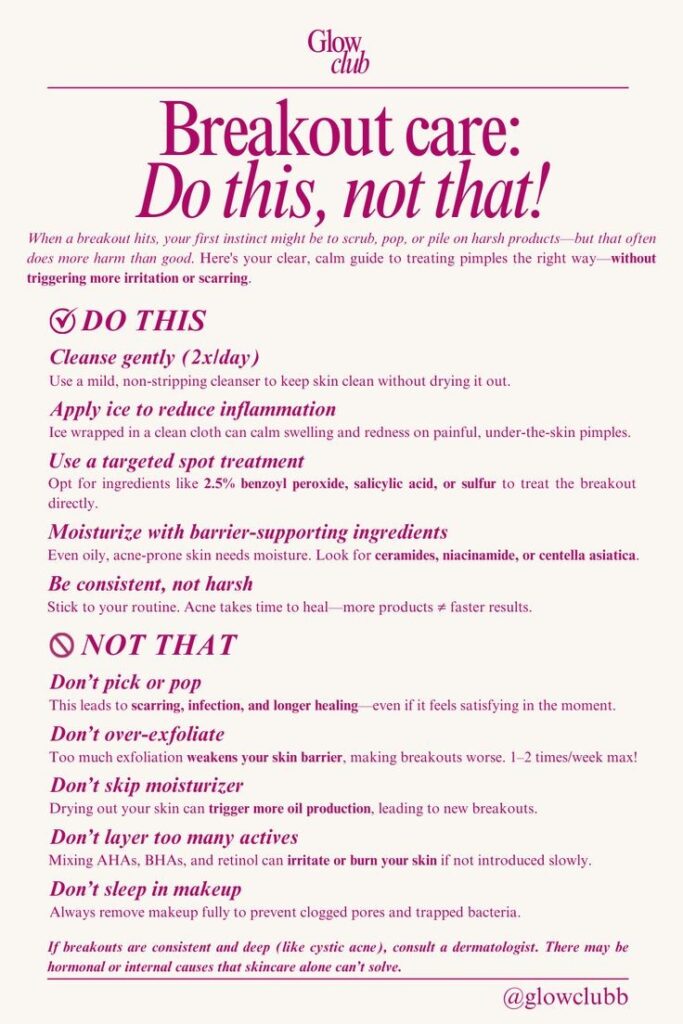
Table of Contents
- Understanding Your Skin Type
- Building a Consistent Skincare Routine
- The Importance of Cleansing and Hydration
- Choosing the Right Products for Acne-Prone Skin
- Why You Should Avoid Touching Your Face
- The Role of Diet in Preventing Breakouts
- Managing Stress for Healthier Skin
- Sleep and Skin Repair Connection
- Keeping Your Surroundings Clean
- Sun Protection and Acne Prevention
- When to Seek Professional Help
- Final Thoughts
Understanding Your Skin Type
The first step toward preventing future breakouts is understanding your skin type. Whether your skin is oily, dry, combination, or sensitive, each type requires a different approach. For example, oily skin tends to produce excess sebum, which can clog pores and lead to acne, while dry skin may become irritated and trigger breakouts due to lack of moisture.
Using the wrong products for your skin type can worsen acne instead of improving it. That is why identifying your skin’s needs allows you to build a skincare routine that supports clear and healthy skin.
Building a Consistent Skincare Routine
A consistent daily skincare routine is one of the most effective ways to prevent acne. Cleansing, toning, and moisturizing should be part of your everyday habits. Washing your face twice a day helps remove dirt, oil, and bacteria that accumulate on your skin.
Skipping your routine or constantly changing products can confuse your skin and lead to more breakouts. Sticking to a simple and effective routine designed for acne-prone skin can make a noticeable difference over time.
The Importance of Cleansing and Hydration
Keeping your skin clean is essential, but over-cleansing can do more harm than good. Washing your face too often can strip away natural oils, causing your skin to produce even more oil, which increases the risk of clogged pores.
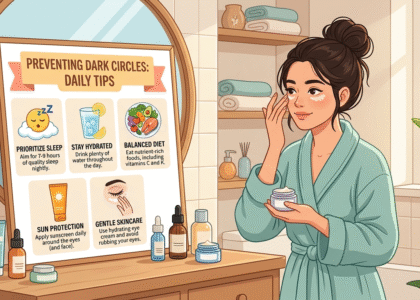
At the same time, hydration plays a key role in maintaining balanced skin. Drinking enough water and using a lightweight moisturizer helps keep your skin hydrated, reducing excess oil production and supporting an acne-free complexion.
Choosing the Right Products for Acne-Prone Skin
One of the biggest mistakes people make is using products that clog pores. To prevent future breakouts, always choose non-comedogenic skincare products that are specifically designed for acne-prone skin. These products are formulated to keep your pores clear while still providing necessary nutrients.
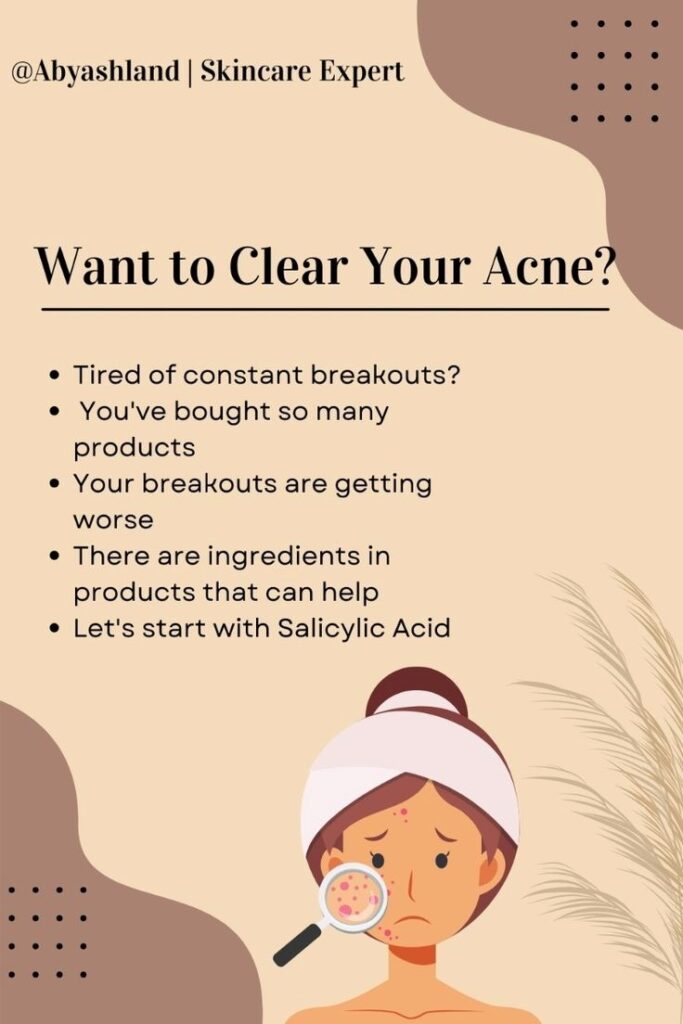
Ingredients like salicylic acid, niacinamide, and aloe vera can help control oil, reduce inflammation, and keep your skin calm. Avoid heavy creams, oily makeup, and harsh chemicals that may irritate your skin and trigger acne.
Why You Should Avoid Touching Your Face
Touching your face may seem harmless, but it can transfer dirt, oil, and bacteria from your hands to your skin. This increases the chances of clogged pores and breakouts. Picking or popping pimples can also lead to scars and worsen inflammation.
Training yourself to avoid unnecessary contact with your face is a simple yet powerful habit that can significantly improve your skin condition over time.
The Role of Diet in Preventing Breakouts
Your diet has a direct impact on your skin health. Consuming too much sugar, processed foods, and oily snacks can contribute to acne by increasing inflammation and oil production. On the other hand, a balanced diet rich in fruits, vegetables, and whole foods supports clear skin.
Foods high in vitamins and antioxidants help repair skin damage and reduce the chances of future breakouts. Drinking plenty of water also helps flush out toxins and keeps your skin looking fresh and healthy.
Managing Stress for Healthier Skin
Stress is often overlooked when it comes to skincare, but it plays a major role in acne development. When you are stressed, your body produces hormones that can increase oil production, leading to breakouts.
Incorporating stress management techniques such as exercise, meditation, or even simple breathing exercises can help maintain hormonal balance. A calm mind often reflects in clearer, healthier skin.
Sleep and Skin Repair Connection
Getting enough sleep is essential for your skin’s natural repair process. During sleep, your body works to heal damaged skin cells and restore balance. Lack of sleep can lead to dull skin, increased stress, and more frequent breakouts.
Aim for at least seven to eight hours of quality sleep each night. This not only improves your overall health but also helps maintain a clear and glowing complexion.
Keeping Your Surroundings Clean
Many people focus only on skincare products and forget about external factors that contribute to acne. Dirty pillowcases, makeup brushes, and mobile phones can carry bacteria that come into contact with your skin.
Changing your pillowcases regularly and cleaning your personal items can prevent the buildup of bacteria, reducing the risk of future breakouts. Maintaining good hygiene is just as important as following a skincare routine.
Sun Protection and Acne Prevention
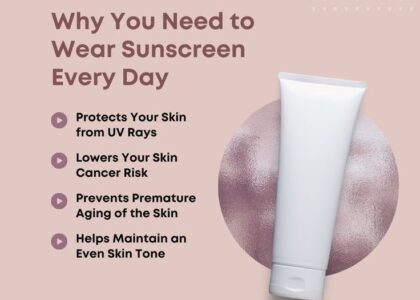
Sun exposure can damage your skin and worsen acne in the long run. While some people believe sunlight helps dry out pimples, excessive exposure can lead to irritation and increased oil production.
Using a lightweight, non-greasy sunscreen daily protects your skin from harmful UV rays while preventing further skin issues. Proper sun protection is a key step in maintaining healthy and acne-free skin.
When to Seek Professional Help
If your acne is persistent, severe, or causing scars, it may be time to consult a dermatologist. Professional treatments can target the root cause of acne and provide long-term solutions that over-the-counter products may not achieve.
Seeking expert advice ensures that you are using the right treatment for your skin type and condition, helping you prevent future breakouts more effectively.
Conclusion
Preventing future breakouts is not about quick fixes or temporary solutions. It is about building consistent habits that support your skin’s natural balance. From following a proper skincare routine to maintaining a healthy lifestyle, every small step contributes to clearer and healthier skin.

Patience and consistency are the keys to success. By understanding your skin, choosing the right products, and taking care of your overall well-being, you can reduce acne and enjoy long-lasting confidence. Clear skin is a journey, and with the right approach, it is a goal that you can absolutely achieve.`
Frequently Asked Questions (FAQs)
1. How can I prevent future breakouts naturally?
You can prevent future breakouts by following a consistent skincare routine, keeping your skin clean, staying hydrated, eating a balanced diet, and avoiding touching your face frequently.
2. What is the best skincare routine to avoid acne?
A simple routine includes cleansing your face twice daily, using a gentle toner, applying a lightweight moisturizer, and using sunscreen. Choosing products suitable for acne-prone skin is essential for preventing breakouts.
3. Do certain foods cause pimples and breakouts?
Yes, diets high in sugar, oily foods, and processed items can trigger acne. Eating more fruits, vegetables, and drinking enough water helps promote clear and healthy skin.
4. How long does it take to see results in acne prevention?
Results vary depending on your skin type, but with a consistent routine, you may start noticing improvements within a few weeks. Long-term habits are key to preventing future breakouts.
5. Is it okay to pop pimples to get rid of them faster?
No, popping pimples can worsen inflammation, spread bacteria, and lead to scars. It is best to treat them gently with proper skincare products.
6. Can stress really cause acne?
Yes, stress can increase hormone levels that trigger oil production, leading to breakouts. Managing stress through relaxation techniques can help improve your skin
7. When should I see a dermatologist for acne?
You should consult a dermatologist if your acne is severe, painful, persistent, or leaving scars, as professional treatment may be required